
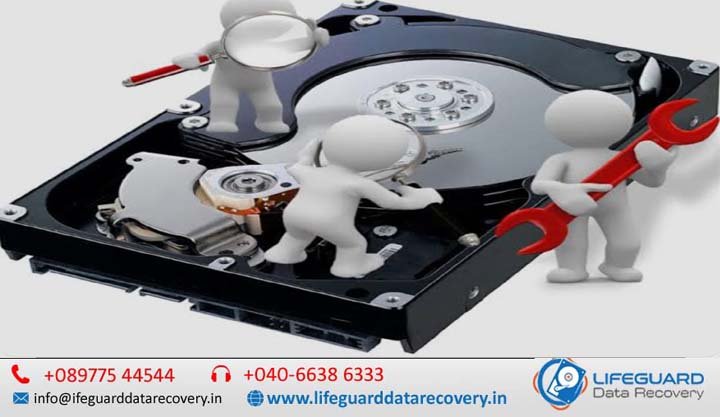
Hard Drive Crash Symptoms: How to Identify, Diagnose, and Recover a Failing HDD. Data storage devices do not last forever. Whether you use a traditional mechanical Hard Disk Drive (HDD) or a Solid-State Drive (SSD), storage media inevitably wears out, degrades, or suffers sudden physical hardware failure. According to industry statistics from cloud backup provider Back blaze, mechanical hard drive annual failure rates gradually climb as drives pass three to five years of operational service.
Knowing how to spot early hard drive crash symptoms gives you a critical window of opportunity to back up irreplaceable files before complete hardware failure. This guide walks you through the warning signs, immediate emergency steps, diagnostic methods, recovery realistic expectations, and prevention strategies.
1. Recognizing Hard Drive Failure Before It’s Too Late
Losing access to your operating system, personal photos, or critical business documents often happens without warning-or so it seems. In reality, storage drives frequently drop subtle hints before dying completely.
If you are wondering how to know if a hard drive is failing, watching out for hardware degradation, sluggish file transfers, and system errors is your first line of defense. Catching these symptoms early saves you thousands of dollars in technical data recovery services.
2. What Happens When a Hard Drive Crashes?
A hard drive crash occurs when a storage drive becomes unreadable by the operating system due to either physical damage (mechanical/electrical) or logical corruption (data integrity/file system errors).
When considering what happens when a hard drive crashes, the impact depends directly on the failure type:
-
Mechanical Failure: Read/write heads collide with spinning magnetic platters (a head crash) or spindle motors seize. The drive cannot read data physical tracks.
-
Logical Failure: Magnetic tracks deteriorate or file metadata becomes corrupted. The hardware works fine, but the structure telling your OS where files sit is broken.
The Critical First Steps (What to Do Immediately)
If your computer shows active signs of failure, follow these immediate triage rules:
-
Power Down Safely: Shut down the computer immediately. Do not restart it multiple times hoping it will clear the error.
-
Disconnect the Drive: If it is an external drive, unhook the USB connection. If internal, unplug power and SATA cables if you are comfortable doing so.
-
Avoid Dangerous DIY Myths: Never put a hard drive in the freezer (moisture damages internal electronics) and never tap, hit, or drop the drive enclosure to “unstick” internal parts.
-
Determine Value: Decide whether the data requires professional cleanroom extraction or if simple drive replacement is sufficient.
3. What Are the Symptoms of a Hard Drive Crash?
Identifying what are the symptoms of a hard drive crash early is the difference between an easy backup transfer and total data loss.
Physical and Auditory Warning Signs
Mechanical hard drives operate with microscopic tolerances. When mechanical components wear down, they emit distinct physical cues:
-
The “Clicking” Sound (Click of Death): What does a clicking hard drive mean? A distinct, rhythmically repeating clicking noise indicates that read/write heads are failing to position over disk tracks correctly. They sweep out, fail to read magnetic markers, recalibrate, and snap back to their resting position repeatedly.
-
Grinding, Whining, or Screeching: Metal-on-metal grinding suggests head-to-platter contact or dry, worn spindle bearings.
-
Excessive Heat Generation: A drive running unusually hot to the touch often points to electrical shorts or overloaded spindle motors trying to spin degraded bearings.
System Performance and File Errors
Logical corruption and bad sector buildup trigger clear operating system errors:
-
Extreme System Sluggishness: Why is my computer suddenly slow? When an OS encounters bad sectors, it repeatedly attempts to re-read degraded storage blocks, hanging File Explorer or Finder for minutes at a time.
-
Blue Screen of Death (BSOD) or macOS Kernel Panics: Random system reboots and stop-code screens often stem from bad sectors sitting inside system boot files.
-
Corrupted Files and Folders: Opening documents triggers errors like “File format not recognized” or files disappear entirely from directory folders.
Silent Failures: Can a Hard Drive Fail Without Warning?
Yes. Can a hard drive fail without warning? While HDDs often give physical auditory cues, Solid-State Drives (SSDs) fail silently. SSDs rely on NAND flash memory and electronic controllers. When an SSD controller fails or suffers an electrical surge, the drive simply stops responding instantly without any preceding noise or performance drops.
4. What Causes a Hard Drive to Crash?
Understanding what causes a hard drive to crash helps you adjust environmental and operational habits to protect hardware integrity.
How Long Does a Hard Drive Last?
When planning replacement schedules, users frequently ask how long does a hard drive last.
-
Average Consumer HDD: Expect 3 to 5 years of reliable service under normal operational loads.
-
Enterprise HDDs: Designed for continuous 24/7 server workloads, typically operating reliably for 5 to 7 years.
-
Environmental Impact: Excessive ambient heat, poor power delivery, and frequent physical movement (laptops) cut operational lifespans significantly.
5. How to Check Hard Drive Health
Proactive diagnostic checks let you catch health declines before catastrophic failures strike.
Using Windows and macOS Native Diagnostic Tools
Both Windows and macOS offer built-in disk diagnostic utilities:
Windows Error Checking
To scan for file system errors and bad sectors:
-
Open Command Prompt as Administrator.
-
Type and press Enter.
-
/ffixes file system errors. -
/rlocates bad sectors and recovers readable information.
-
macOS Disk Utility First Aid
-
Open Disk Utility (via Applications > Utilities).
-
Select your drive from the left sidebar and click First Aid.
-
Click Run to verify file integrity and attempt repair.
Interpreting S.M.A.R.T. Attributes and Diagnostic Codes
Modern drives incorporate S.M.A.R.T. (Self-Monitoring, Analysis, and Reporting Technology). You can check basic SMART status via Windows Command Prompt:
If it reads “OK”, basic checks passed. However, third-party SMART utilities reveal deep critical attributes:
-
Reallocated Sectors Count: Count of damaged sectors that the drive moved to spare memory areas. Any growing number above 0 indicates active surface degradation.
-
Current Pending Sector Count: Unstable sectors waiting to be remapped. Indicates imminent platter failure.
-
Uncorrectable Sector Count: Total count of unreadable sectors. High numbers mean file loss is occurring.
6. Can a Crashed Hard Drive Be Repaired or Recovered?
When a failure occurs, understanding your options helps you avoid permanent data loss.
Can a Crashed Hard Drive Be Repaired?
Hardware repairs are rarely intended to make a drive reusable long-term. Replacing internal read/write heads or motor bearings in a professional cleanroom environment is performed solely to make the drive functional long enough to extract data. Once a drive mechanically fails, it must be retired.
Can Data Be Recovered from a Crashed Hard Drive?
In most cases, yes-can data be recovered from a crashed hard drive depends heavily on what steps you take immediately following failure.
Data Recovery Software vs. Professional Cleanroom Services
-
Data Recovery Software: Recommended only for logical failures (deleted partitions, formatted drives, corrupt file systems). Software cannot fix broken mechanical components.
-
Professional Cleanroom Services: Required for mechanical, physical, or electrical failures. Technicians work inside ISO Class 5 dust-free environments to open drive casings, replace internal head assemblies, and clone raw platter data onto new storage media.
7. How to Prevent Hard Drive Failure
Preventive maintenance minimizes data loss risks and extends hardware service life.
Implementing the 3-2-1 Backup Strategy
Relying on a single drive for critical files is dangerous. Implement the standard 3-2-1 Backup Rule:
-
Keep 3 copies of your important data.
-
Store backups on 2 different types of media (e.g., internal drive + external drive).
-
Keep 1 backup copy offsite (e.g., cloud storage).
Drive Maintenance, Temperature Control, and Power Protection
-
Use Uninterruptible Power Supplies (UPS): Sudden power outages corrupt file headers and cause read/write head crashes.
-
Ensure Active Ventilation: Maintain low ambient desktop temperatures to protect internal drive electronics.
-
Handle Drives Carefully: Avoid bumping desktop towers or moving laptops while traditional hard drives are active and spinning.
8. Frequently Asked Questions
How long do I have to save data once symptoms start?
It varies from a few minutes to a few days. If physical symptoms like clicking or grinding occur, turn the system off immediately; forced operation can destroy drive platters within minutes.
Is it safe to format a failing hard drive and reuse it?
No. Formatting clears file allocations and marks bad sectors, but it does not fix underlying physical wear or degrading magnetic media. A drive that has begun physically failing will continue to generate bad sectors.
Do SSDs show the same crash symptoms as traditional HDDs?
No. SSDs do not contain moving parts, so they will never click, grind, or buzz. SSD failure symptoms include sudden read-only mode locks, disappearing drive letters, and unexplainable system crash loops during boot up.
9. Conclusion: Protecting Your Data
Detecting hard drive crash symptoms early gives you the upper hand against sudden data loss. By listening for mechanical noises, monitoring system stability, running periodic S.M.A.R.T. diagnostic checks, and maintaining reliable 3-2-1 backups, you can protect your personal and business data from unexpected hardware failures.