
HDD power surge recovery India
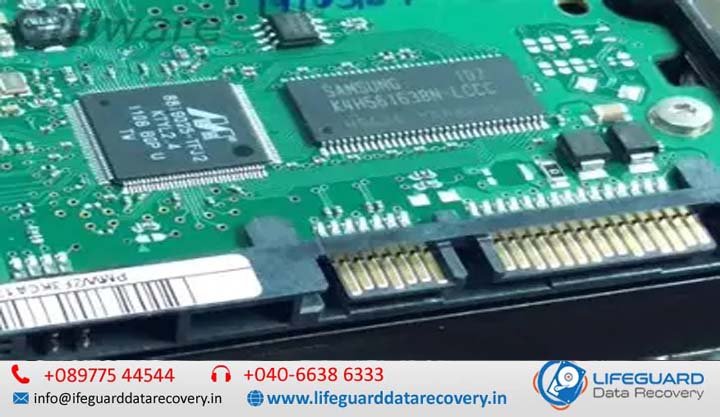
When a sudden power surge hits your setup, your hard drive can instantly stop spinning, smell burnt or disappear from BIOS. Power spikes, unstable voltages, and lightning strikes can severely damage storage drives, making HDD power surge recovery in India a crucial topic for individuals and businesses alike. This guide explores the mechanics of electrical hard drive failure, safe diagnostic steps, common power grid risks in India, and how professional data recovery labs safely retrieve your lost files. What Happens When a Power Surge Hits Your Hard Drive? A power surge occurs when an unexpected overvoltage travels through power lines into your computer’s Switched-Mode Power Supply (SMPS) or external power adapter. Although modern power supplies feature protective capacitors, severe electrical spikes bypass these filters and reach the hard drive’s Printed Circuit Board (PCB). When high voltage enters the hard drive’s SATA or USB power interface, it triggers protective components on the circuit board. In minor spikes, protective diodes short-circuit to blow a fuse and block high voltage from reaching the internal platters. However, severe electrical spikes can burn active chips, damage controller circuitry, or travel down internal flex cables to destroy the read/write head assembly. Anatomy of Electrical Damage: PCB, TVS Diodes, and Controller Chips Understanding the physical circuit board helps explain why a power-damaged drive acts dead or triggers power supply shutdowns: Printed Circuit Board (PCB): The external board attached to the bottom of the hard drive that regulates power distribution, controls spindle motor speeds, and translates SATA commands. TVS (Transient Voltage Suppressor) Diodes: Protective semiconductor diodes on the 5V rail (logic) and 12V rail (spindle motor). They are designed to short-circuit when incoming voltage exceeds nominal thresholds, protecting primary processing components. Motor Driver IC: A specialized chip that manages the power sent to the drive’s internal spindle motor and voice coil actuator. Main Controller Unit (MCU) & ROM Chip: The central microchip that executes drive firmware, along with an 8-pin Serial Peripheral Interface (SPI) flash chip storing unique drive calibration parameters. Common Causes of Hard Drive Power Failure in Indian Infrastructure Electrical grid conditions across Indian residential and commercial zones expose computer hardware to recurring electrical stress: Unstable Voltage Fluctuations & Load Shedding: Rapid voltage drops followed by high-voltage spikes during power restoration can stress internal circuit components. Neutral Cable Floating & Poor Grounding: Elevated neutral-to-earth voltage (exceeding 2–3 Volts AC) in older building setups exposes PC components to continuous electrical stress. Substandard Power Supplies (SMPS) & Adapters: Low-quality desktop power supplies or uncertified external hard drive adapters lack overvoltage protection (OVP) and overcurrent protection (OCP) circuits. Monsoon Storm Spikes: Lightning strikes during monsoon storms can send indirect voltage spikes through power sockets, Ethernet networks, and ungrounded UPS systems. Key Symptoms: Identifying Power Surge Damage Complete Loss of Power (HDD Not Spinning): The drive shows no signs of life, produces zero vibration, and does not spin up. This typically indicates a shorted TVS diode or blown zero-ohm resistor. Burnt Odor or Scorched Marks: Scorch marks around the SATA power port or a distinct burnt epoxy smell point to overheated logic components. System Power Supply Tripping: Plugging the hard drive causes the computer’s power supply to immediately shut down due to overcurrent protection detecting a dead short. Rhythmic Clicking or Beeping: If the motor spins but the drive makes rhythmic clicking or electronic beeping noises, voltage may have damaged the read/write head pre-amplifier inside the sealed mechanical housing. External vs. Internal Hard Drives: How Power Surges Affect Each Internal Desktop & Laptop Hard Drives: These connect directly to the computer’s internal power supply (SATA 5V and 12V rails). A failing desktop power supply directly risks the internal drive’s main PCB logic. External Desktop Drives (3.5-inch with Dedicated Power Adapter): These drives rely on external power adapters plugged directly into wall outlets. Connecting an incorrect high-voltage adapter (e.g., plugging a 19V laptop charger into a 12V enclosure) will instantly destroy the enclosure bridge board and trigger the drive’s 12V TVS diode. Portable External Drives (2.5-inch USB-Powered): These drives draw power through a USB connection. Overvoltage spikes from damaged motherboard USB controllers or ungrounded front-panel USB ports can burn the integrated USB-SATA bridge board. Step-by-Step Diagnostic & DIY Assessment: What Is Safe vs. Dangerous? Visual Inspection Inspect the hard drive’s PCB without unscrewing the board. Look for cracked component casings, blackened traces, or discoloration near the SATA power connection. Testing TVS Diodes with a Multimeter For users comfortable using basic electronics tools: Set a digital multimeter to Continuity Test Mode (or Resistance set to Ohms). Place the positive and negative probes on opposite ends of the 12V TVS diode (located near the 12V pin on thcontroller board inside the plastic casing rather than the internal drive itself. Safely removing the drive from its external housing and connecting it directlGet More Securityy via a native SATA cable can confirm if the internal drive is still operational. The Truth e SATA connector). Repeat the measurement for the 5V TVS diode. Isolating External Drive Enclosures If a 3.5-inch or 2.5-inch external hard drive will not turn on, the issue may lie with the USB bridge About PCB Swapping (Why Simple Swaps Fail) A common mistake when handling damaged hard drives is buying a donor hard drive of the same model and swapping the PCB boards directly. On modern hard drives, a direct PCB swap will rarely work. Modern hard drives store head alignment calibration variables, micro jog offsets, and bad sector maps inside an 8-pin ROM chip or the main MCU package. If you attach a donor PCB without transferring the original 8-pin ROM chip using a hot-air rework station, the donor board will execute incorrect head-alignment instructions. This often causes continuous head clicking, disk errors, or permanent platter damage. Professional Surge Recovery Process in India: What Happens in the Lab When electrical damage extends beyond protective TVS diodes, professional data recovery labs use specialized diagnostic equipment and procedures: Safe Electrical Isolation & Circuit Mapping: Technicians map the PCB circuit traces to detect